
According to the government, more than 25,000 migrants have been repatriated from South Africa following a wave of displacement sparked by escalating anti-immigrant tensions. Thousands of migrants fled their homes after anti-immigrant movements issued an ultimatum demanding that undocumented migrants leave the country.
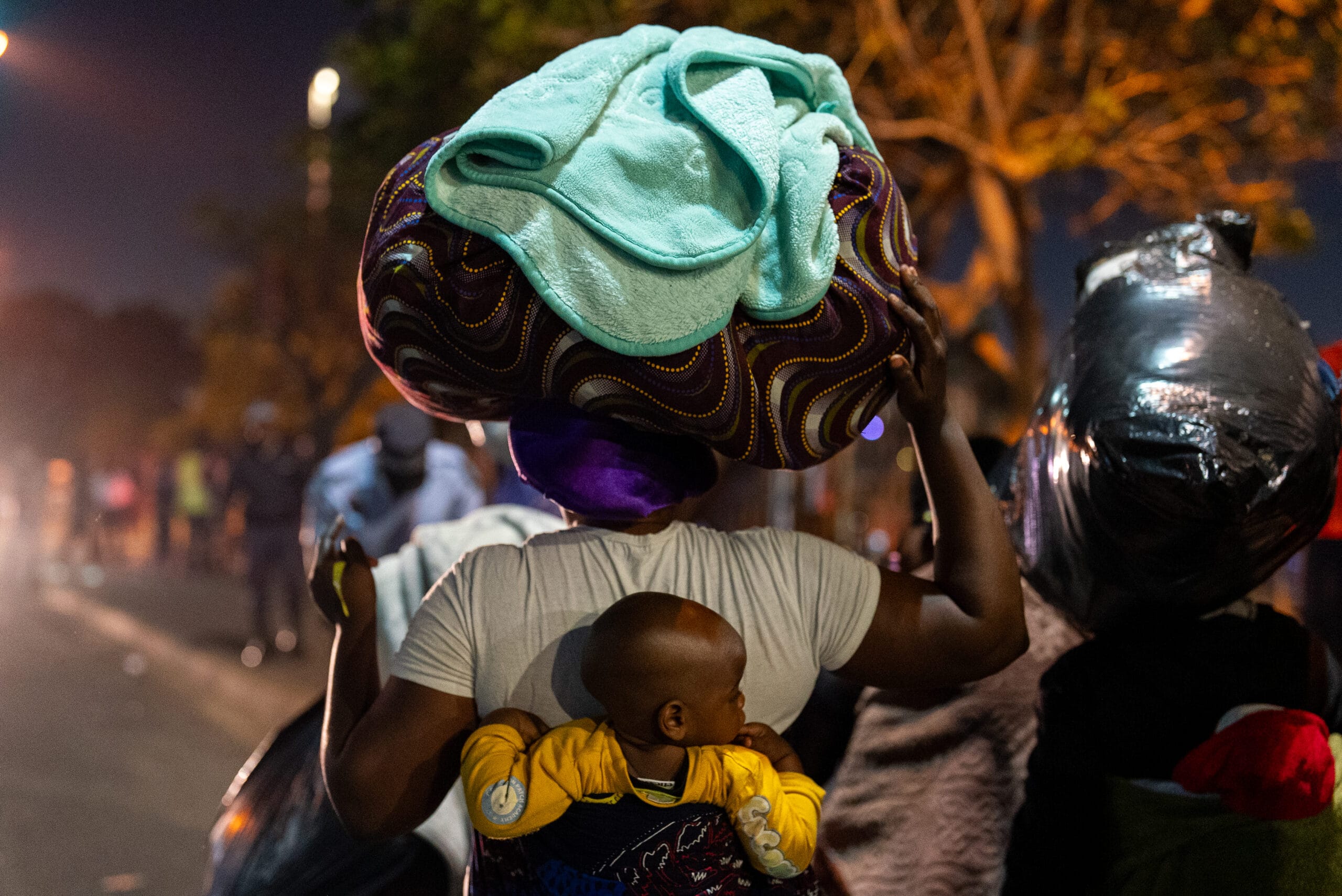
The mass displacement saw thousands of migrants, mainly from Malawi, seek safety at the now-decommissioned Durban Drive-In temporary repatriation site, which became the epicentre of the humanitarian response and, at some stage, provided refuge to more than 8,000 displaced people. Government says overall more than 15 000 undocumented Malawian nationals were processed at the site before operations were relocated to Musina in Limpopo.
From last week Tekano visited multiple displacement sites across Durban and Cape Town, including the now-decommissioned site, to understand the human impact of the crisis while it was still operational and to work alongside first responders in responding to the unfolding crisis.
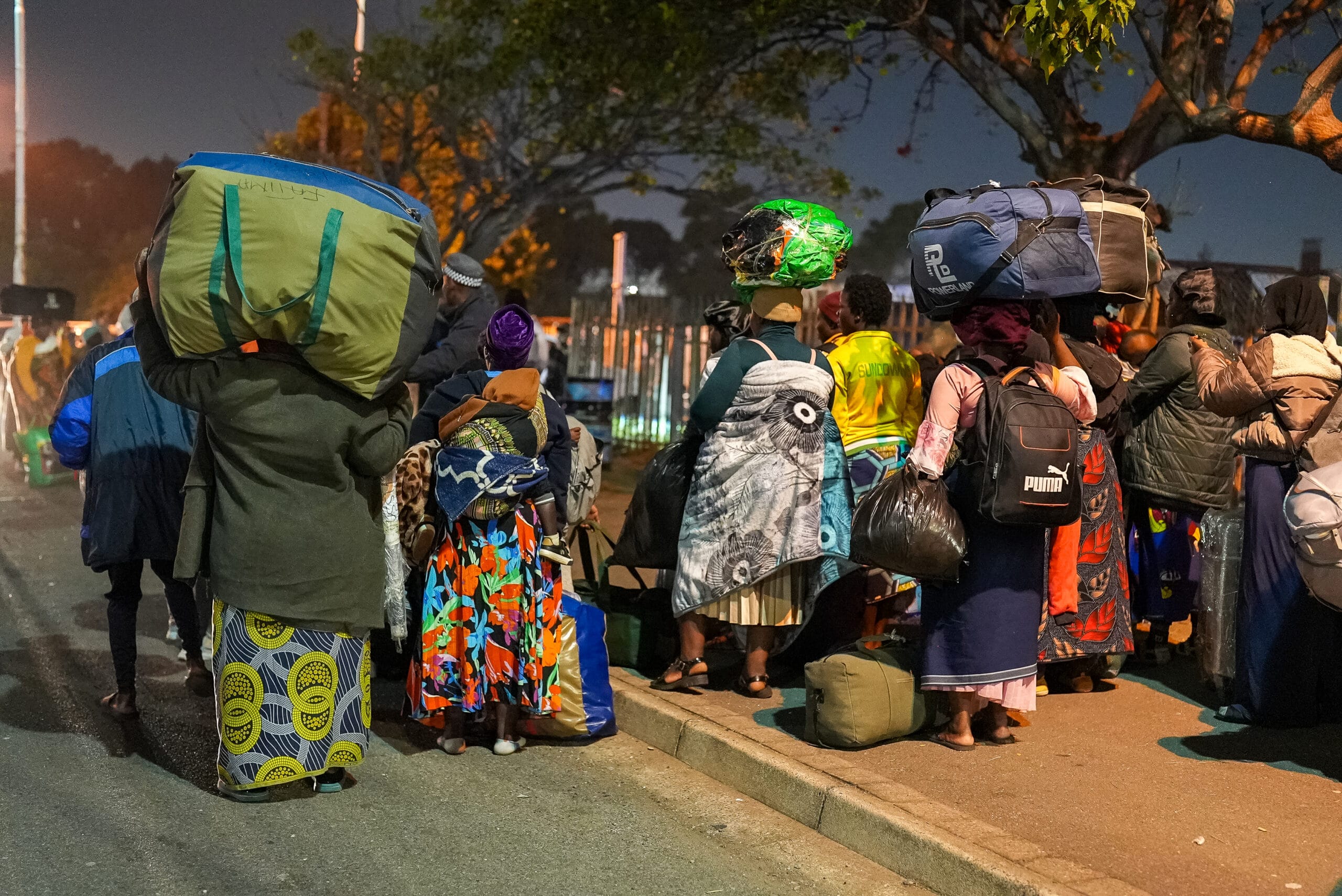
By 24 June, more than 250 documented refugees and asylum seekers from Ghana, Zimbabwe, Mozambique, Burundi, the Democratic Republic of the Congo and Rwanda were still living on the roadside outside the Durban Refugee Reception Centre on Che Guevara Road, having been there since 21 May.
Among them were infants, young children, pregnant women and elderly people.
Contrary to common assumptions surrounding migration, these individuals are legally recognised refugees and asylum seekers with valid documentation. Yet they too fled their communities after receiving threats linked to the current anti-immigrant climate.
One 30-year-old Congolese-Ghanaian refugee, who requested anonymity, described deteriorating conditions and ongoing fear:
“In 2026, there’s group that we heard of called March and March, and they are chasing all foreigners and refugees away, whether you are documented or you ain’t documented. I am documented; I have a dual citizenship…people were attacked. They attacked at home as well… it was very, very bad cause your neighbours are attacking you and March and March is also attacking you…as you can see there are babies here, I think there’s a five-month-old baby here, there’s small babies here, old woman, pregnant woman. The ladies are getting sick here, they getting infections cause we didn’t have toilets and staff, no place to bath, people are staying without taking shower, they are just wiping…they only brought us toilets last week. But there no places to put the toilets cause the neighbours are complaining, they didn’t allow us to put [more] toilets here. So, just imagine all of us using 4 or six toilets. The situation is very, very bad, people are getting sick every day. When it rains, we are sleeping outside."
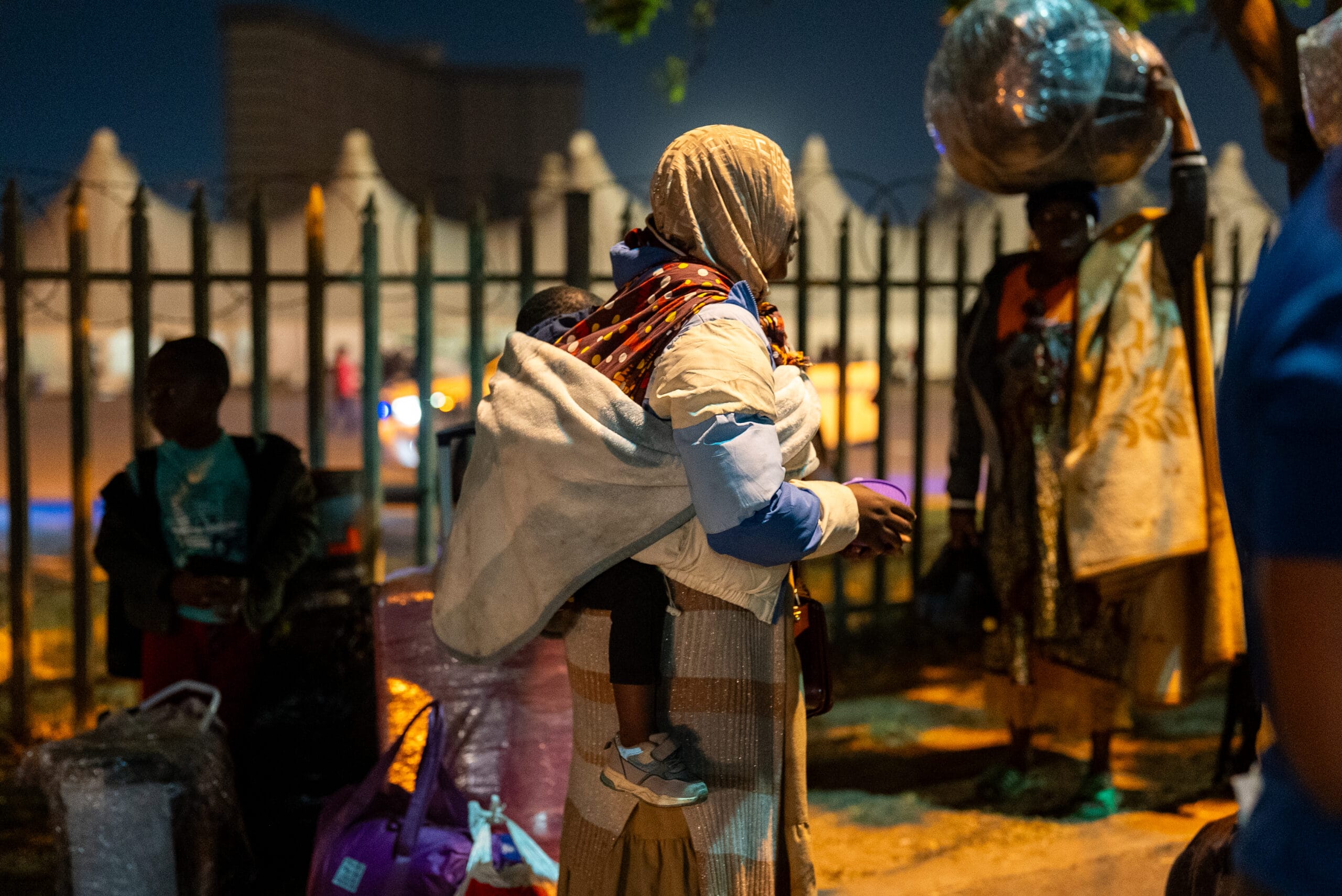
The impact of the anti-immigrant tensions has also been felt in Cape Town, where migrants have sought refuge outside the Cape Town Refugee Reception Centre in Epping after leaving communities where they no longer felt safe.
“In Saldanha, it was very nice. The problems started when they said that on the 30th we must go. Even the kids, when you go to buy bread, they say, ‘You must go, you must go.’ They moved us from the Zimbabwean Consulate, and we've been here for three days. It was raining on Sunday, and it has been raining for the past two days. We have kids here, and it's very cold. When we get there [in Zimbabwe] we don’t know where can we start.” said a 30-year-old woman from Zimbabwe, who is currently waiting at the Cape Town Refugee Reception Centre in Epping.
Irfan Ahmad, Head of Disaster Response and Search and Rescue at the Al Imdaad Foundation in Durban, said the situation remained unpredictable and that the humanitarian response was heavily dependent on non-governmental organisations.
“A majority of this is run by NGOs, and at what point do NGOs reach breaking point? We are all reliant on donations and funding to sustain this.”
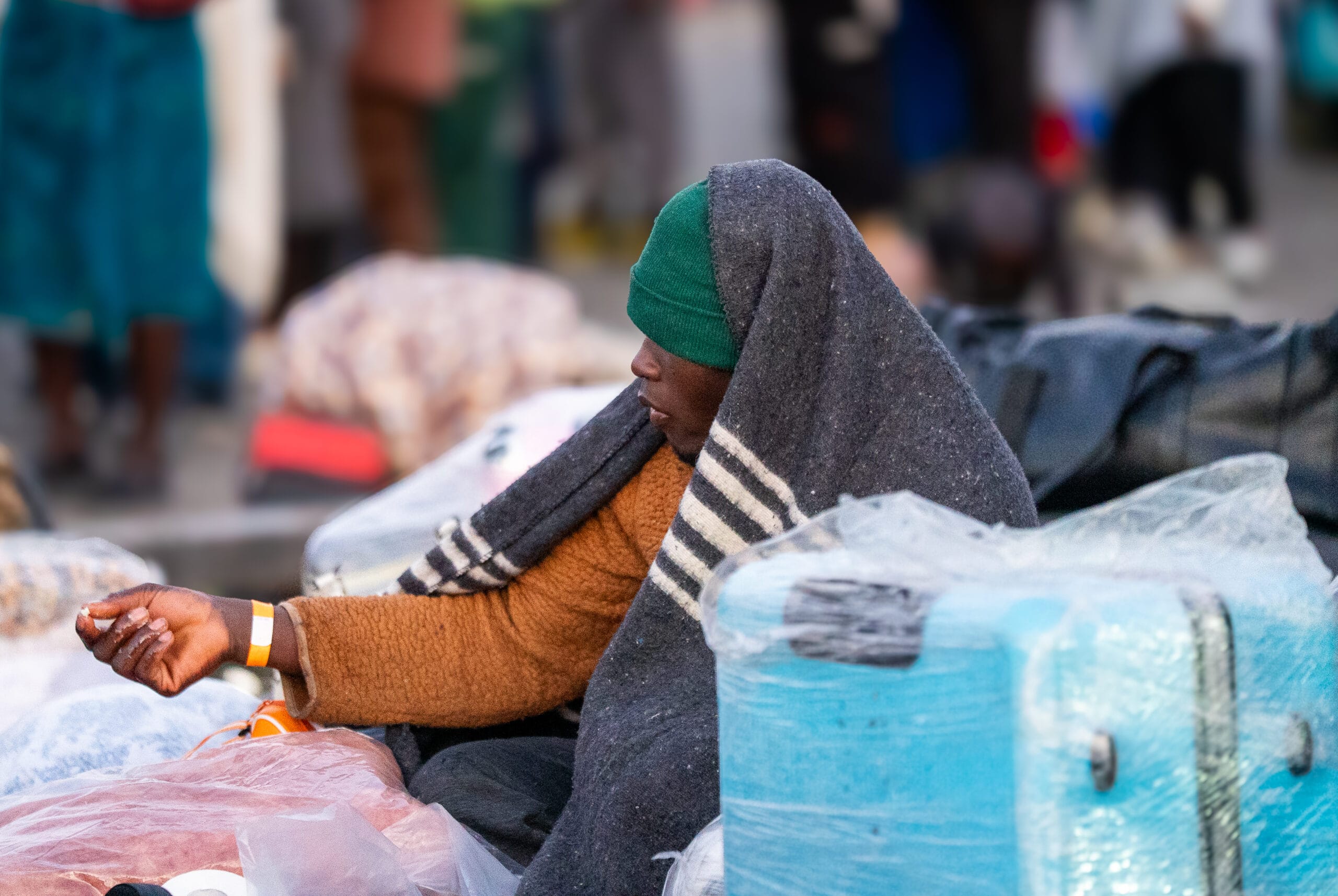
The conditions witnessed across both Durban and Cape Town highlight the severe humanitarian consequences of the ongoing displacement, with overcrowding, inadequate sanitation and limited access to basic services leaving thousands of migrants, refugees and asylum seekers in precarious conditions.
"I think the great thing to have been seeing over the past couple of days is the collaborative effort between municipality, private and public organisations. But the only thing that we can always emphasise is that even when giving out aid, for us to make sure that even that aid is in care and in making sure that nobody's dignity is infringed on," says our fellow Nonkululeko Hlongwane-Mhlongo, who has been responding to the situation in Durban.
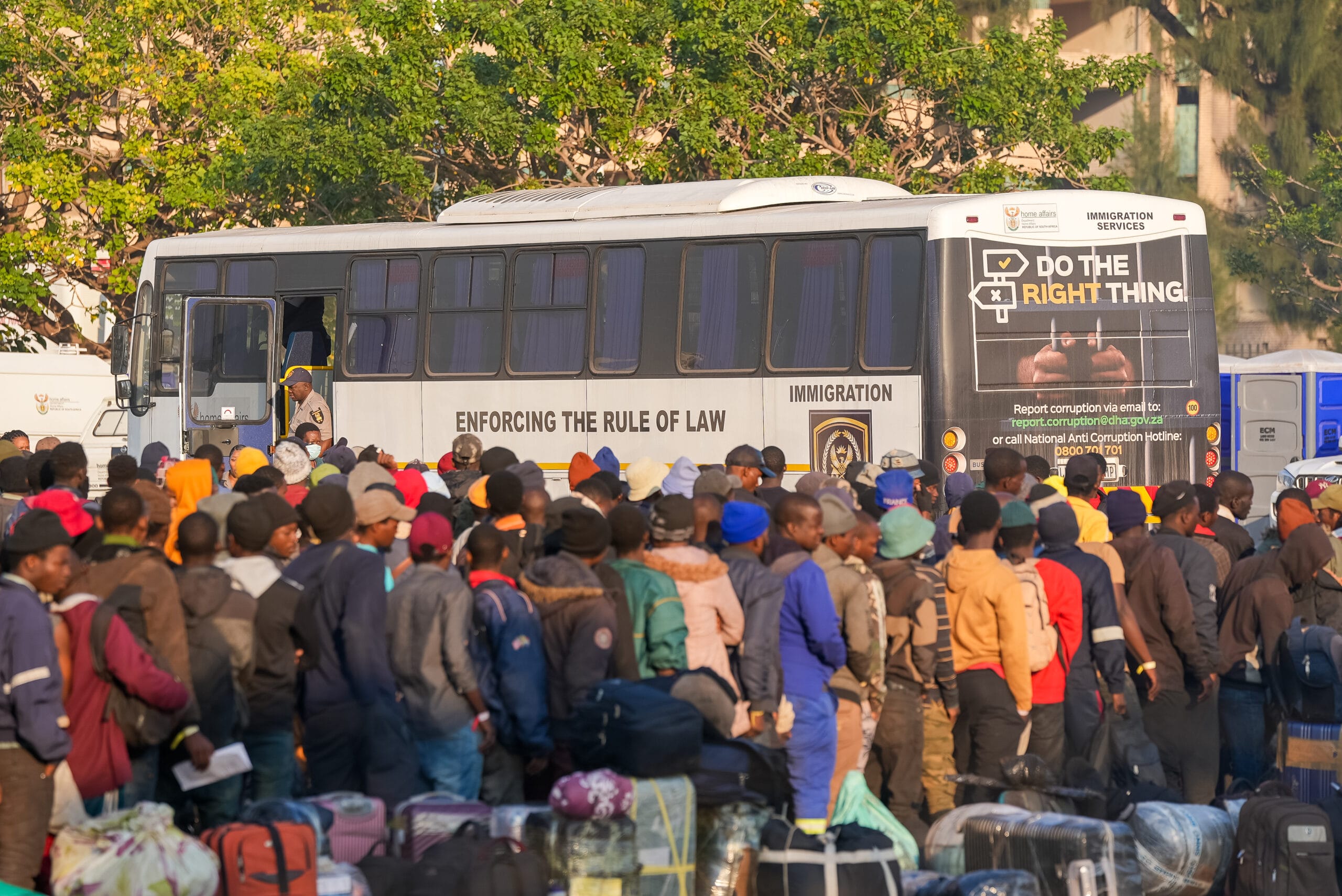
Although thousands of migrants have now been repatriated from South Africa, the crisis continues to unfold, with many still displaced and some humanitarian organisations stretched to capacity as they respond to urgent needs on the ground.
Recent Comments