
In recent years, public healthcare facilities have increasingly become spaces of avoidance for refugees, migrants, and displaced persons, regardless of the urgency of their medical needs. The stigma associated with being a refugee or migrant continues to manifest in deeply troubling ways: denial of healthcare, exclusion from essential services, segregation within medical facilities, and verbal abuse or degrading treatment by health professionals. These are not isolated incidents, but patterns that occur far too frequently.
Maternal health remains a critical concern for all women. Yet, during pregnancy and childbirth moments that require the highest level of care and dignity, refugee and migrant women are particularly vulnerable to discrimination, mistreatment, and neglect within healthcare facilities.
Possessing valid documentation issued by the Department of Home Affairs does not guarantee access to healthcare. In practice, access is often left to the discretion of individuals controlling entry at health facilities, resulting in exclusionary practices that prioritise those holding South African IDs. In some cases, even people in critical condition are turned away, with their situations recorded and circulated on social media, exposing them to public humiliation instead of care.
Despite these realities, there remains a significant lack of reliable data to adequately monitor access to healthcare for refugees, migrants, and displaced populations, or to measure progress in addressing these injustices. The burden of this exclusion falls disproportionately on the most vulnerable, those living in townships and informal settlements. A pattern has emerged where poorer refugee and migrant communities are treated as easy targets for discrimination and denial of services.
Also Read: Breaking the Borders: Lessons from Nairobi
This raises a fundamental question: what is the true meaning of the documents issued by the Department of Home Affairs? Section 22 asylum seeker permits, Section 24 refugee status, and various work permits are issued with the recognition that their holders have a right to access basic services such as healthcare.
As South Africa commemorated Human Rights Day last month, it is important to reflect on what this day signifies for those who are denied access to essential services. Does this celebration truly include everyone, or does it implicitly exclude certain groups? The denial of access to maternal healthcare, mental health services, chronic illness treatment, and primary care is deeply alarming. It raises a broader and uncomfortable question: how can we as society celebrate the transition from apartheid to a constitutional democracy grounded in equality, human dignity, and freedom while perpetuating discrimination against others based on nationality or background? Such realities not only violate fundamental human rights but also undermine public health goals and deepen existing inequalities.
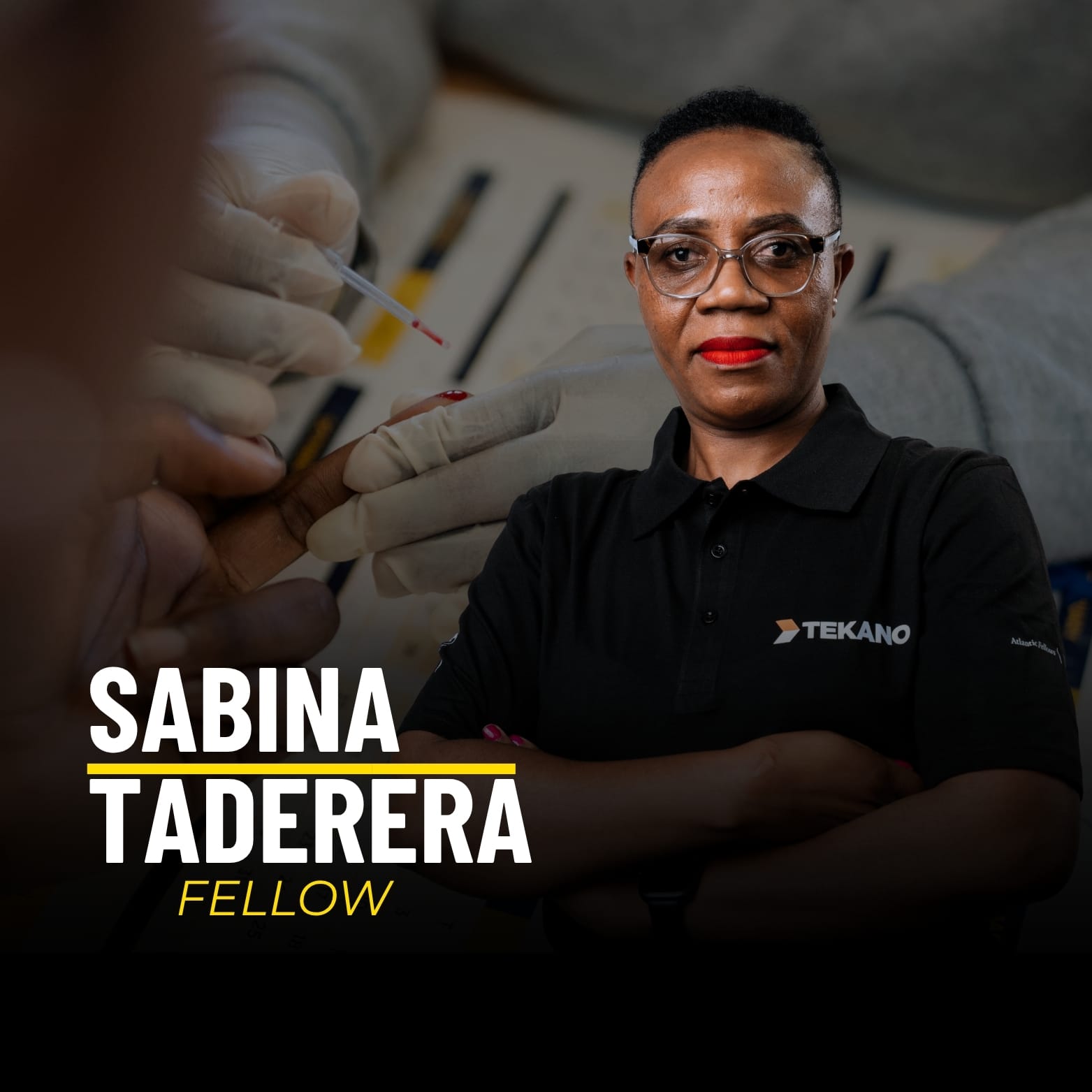
By Sabina Taderera, an advocate for migrants’ rights.
Recent Comments