
According to the World Health Organization, approximately 1 in 100 children globally are on the autism spectrum. Studies have found that the prevalence ranges between 0.08% and 2% in South Africa, though experts believe the true number is likely higher due to underdiagnosis, particularly in rural areas and townships where access to services and information remains limited.
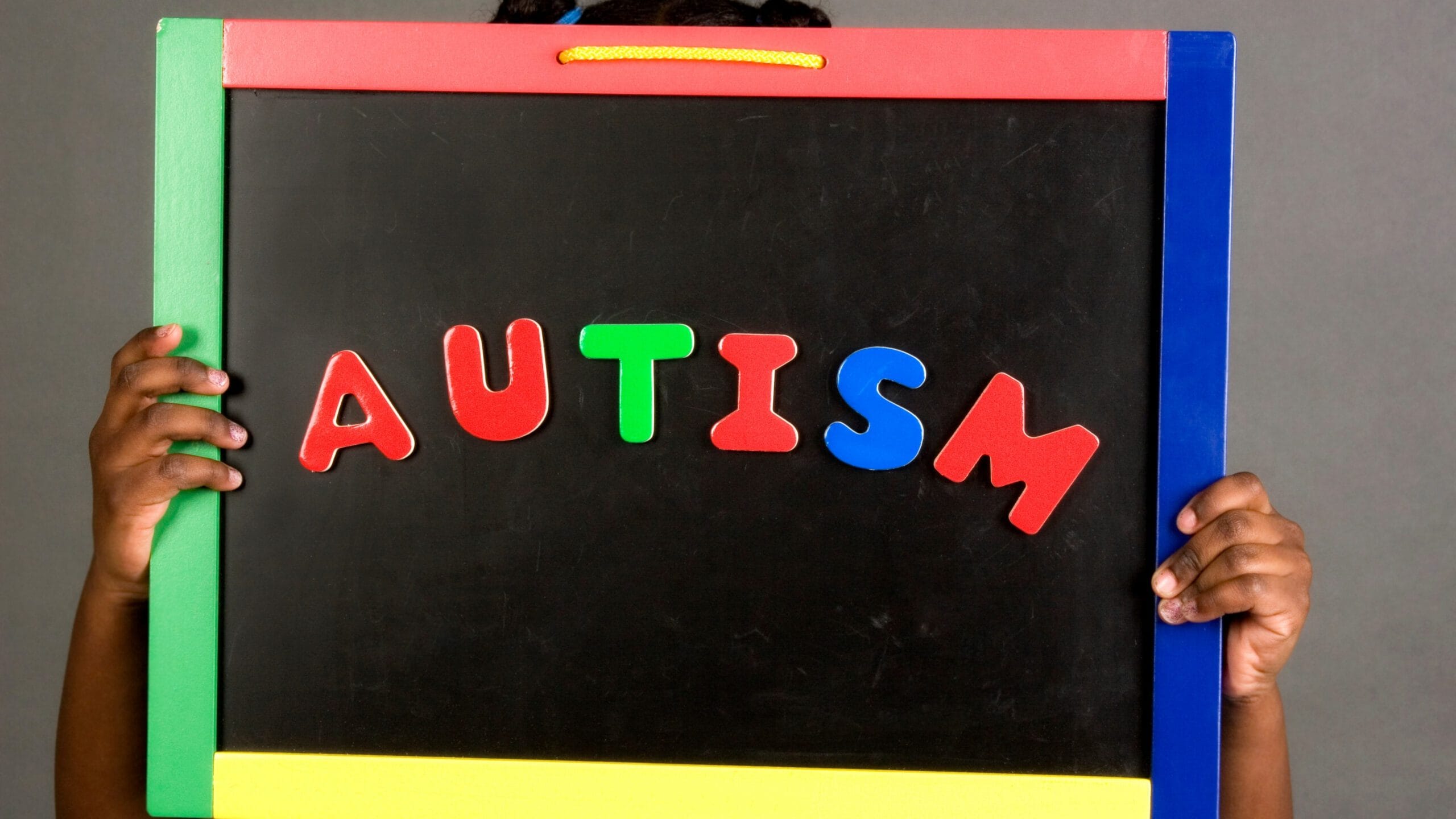
April marks Autism Awareness Month, with World Autism Awareness Day observed on 2 April. It is a time to reflect, educate, and advocate for greater inclusion of people living with autism. However, awareness cannot be limited to a single day or month; it must translate into sustained, meaningful action, especially in underserved communities.
“All people, including people with autism, have the right to the enjoyment of the highest attainable standard of physical and mental health. Yet autistic people are often subject to stigma and discrimination, including unjust deprivation of health care, education, and opportunities to engage and participate in their communities,” says the World Health Organization.
Despite this reality, much of the responsibility for raising awareness still falls on non-profit organisations and NGOs. While these organisations play a critical role, they should not carry the burden alone. There is an urgent need for government, especially the Department of Basic Education and the Department of Social Development, to take a more active and visible role in leading awareness efforts.
ALSO READ: A Call for Urgent Action on Drug Abuse
In many communities, children are raised by grandparents or elderly caregivers who may not have access to digital information or resources. For them, awareness cannot rely solely on online platforms; it must come through community engagement, schools, clinics, and local government outreach. People need clear and accessible information: What is autism? How does it present? Where can families find support? Which schools can accommodate children with autism?
A lack of awareness continues to fuel myths, stigma, and misunderstanding, leaving many children undiagnosed and unsupported. This not only affects their development but also limits their opportunities for education and social inclusion. Increasing awareness at a grassroots level can help change this narrative.
Children with autism are part of our communities. They deserve to be treated with dignity, respect, and understanding. With the right support and awareness, they can thrive. It is time for the government to step forward, not to replace NGOs, but to work hand in hand with them and with communities to ensure that autism awareness reaches everyone, everywhere. This is not an impossible task; it is a necessary one. With the right commitment, it can transform lives.
By: Ludumo Mntuyedwa, advocating for Child Health & Protection, Gender-Based Violence, and Sexual and Reproductive Health and Rights.
Recent Comments