
Cohort 7 fellows recently embarked on their first immersive learning experience in Cape Town, titled “How Change Happens: Leadership, Power & Collective Practice.” The week unfolded against a backdrop of global uncertainty, democratic norms across Africa and the world are under pressure, institutions designed to serve the public are failing communities, and resources to address structural inequities are increasingly weaponised, conditioned, or withheld.
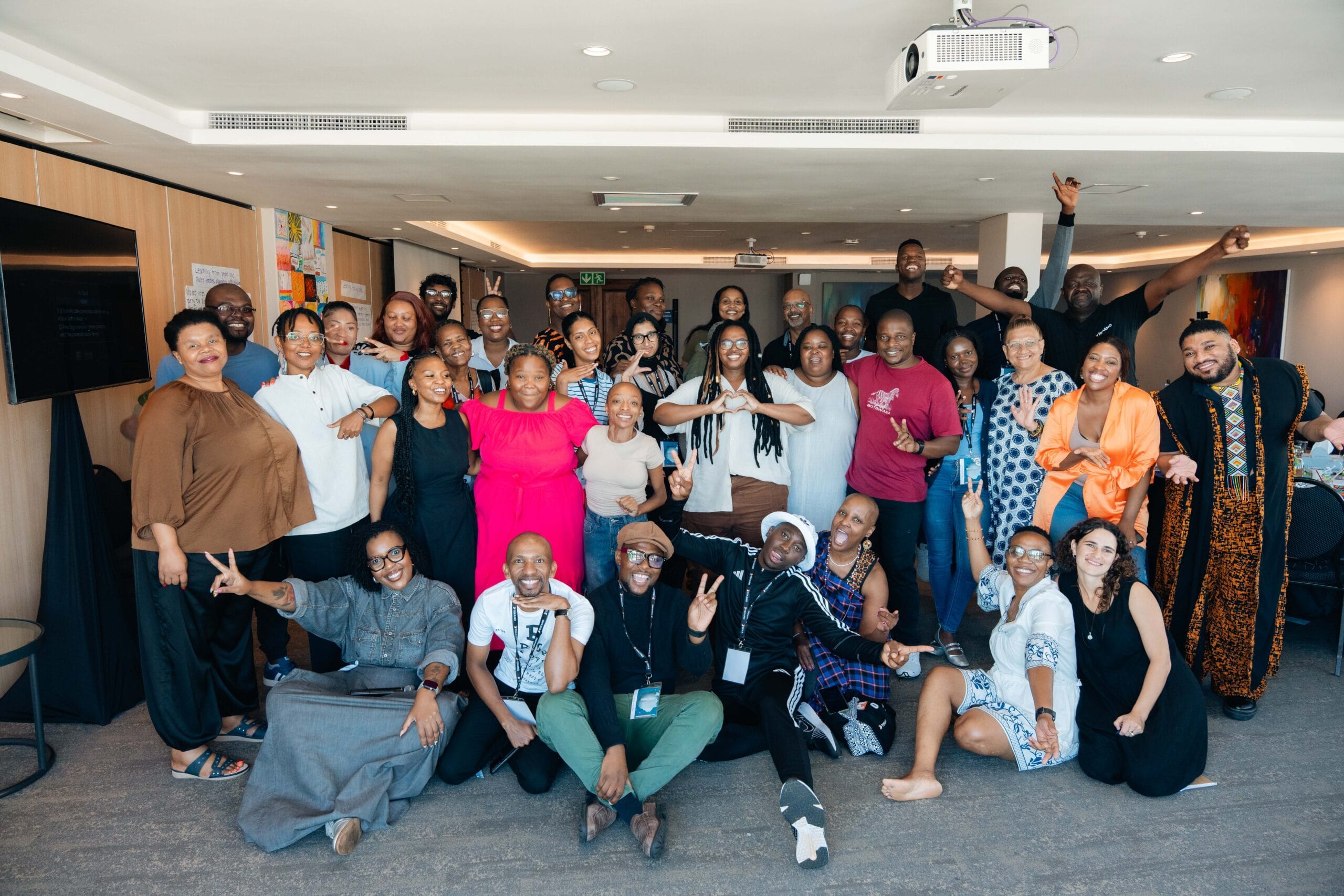
Throughout the week, fellows were guided through a feminist methodology that emphasised the inseparable connection between the personal and the political, the micro and the macro, and internal leadership work and external systemic change.
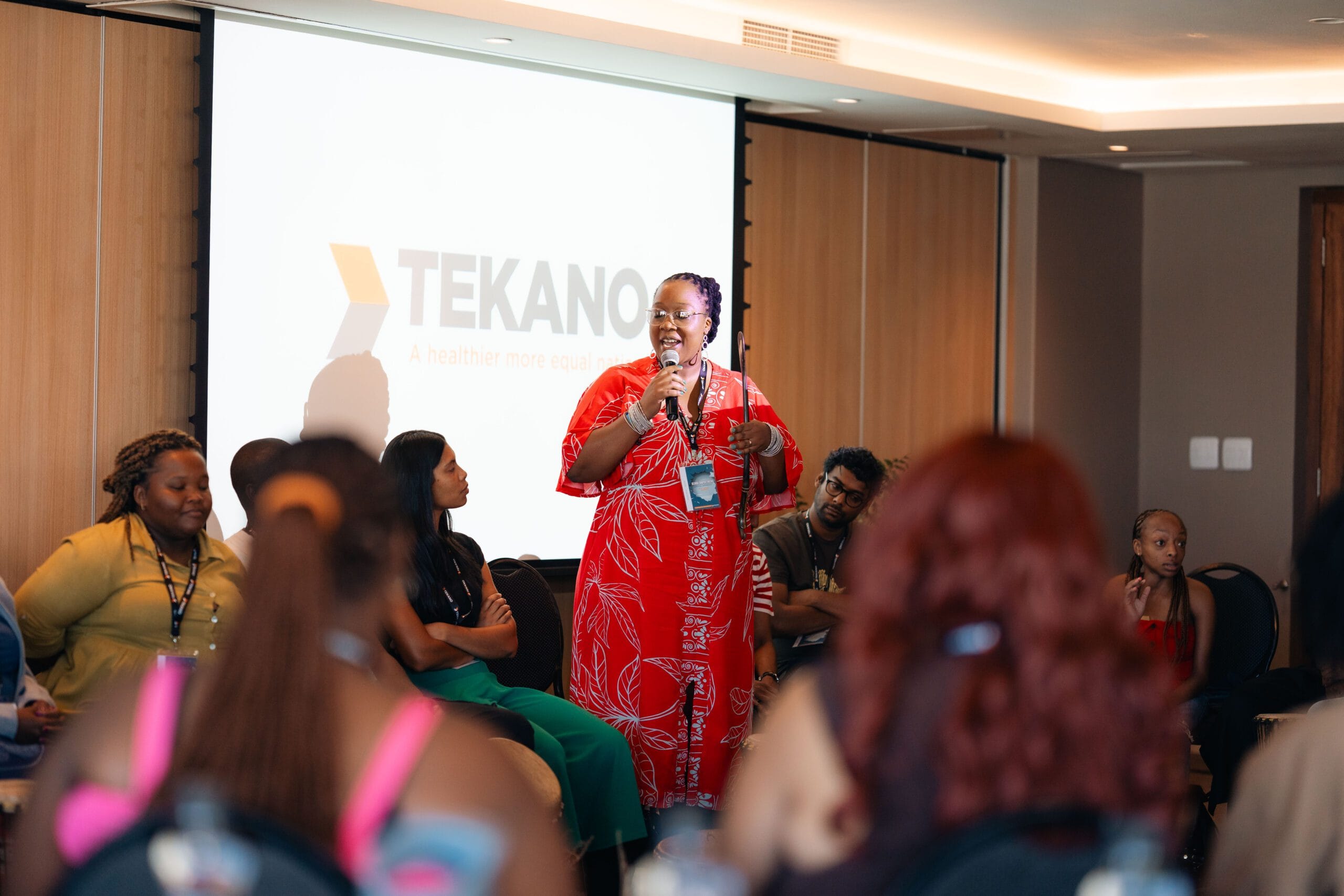
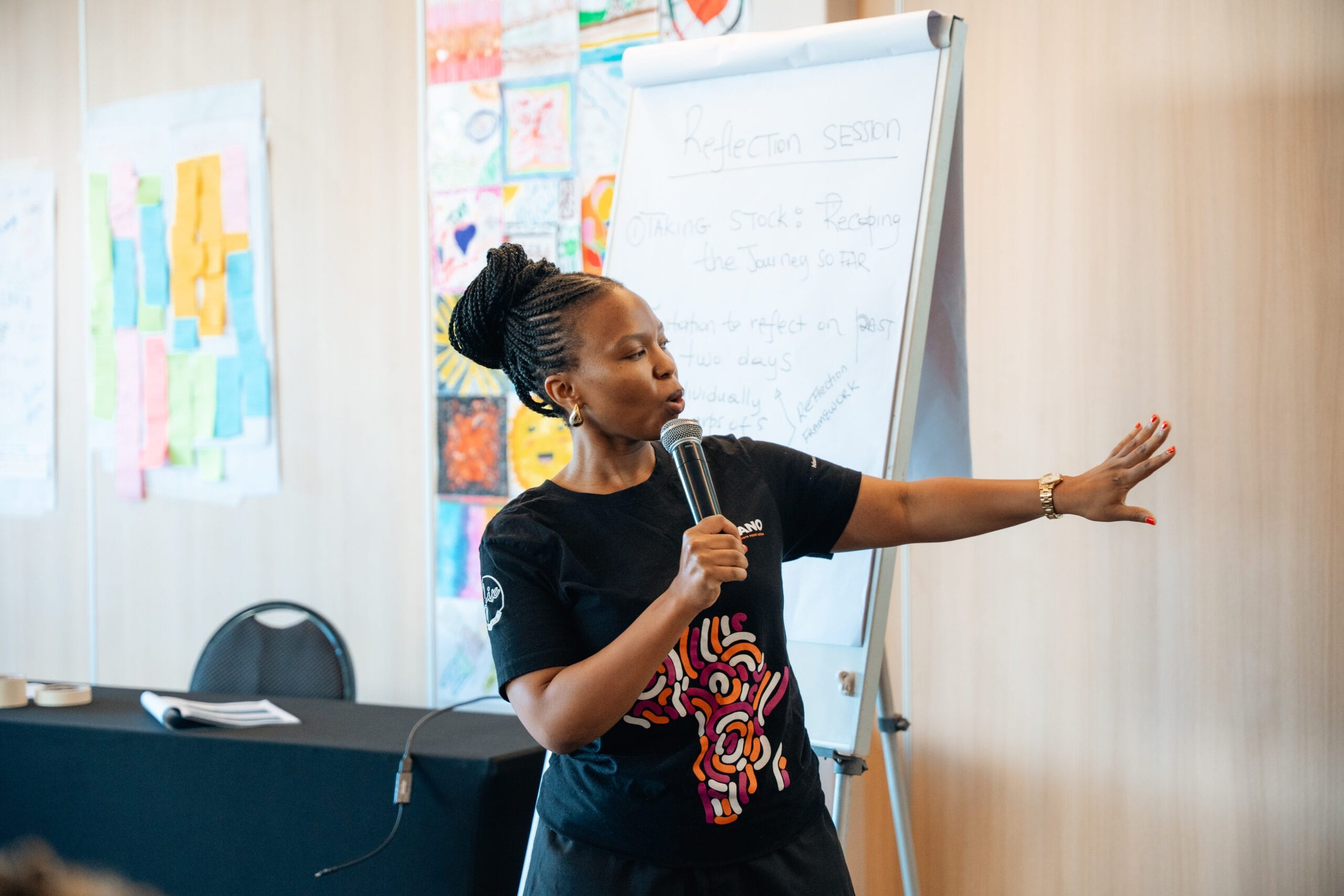
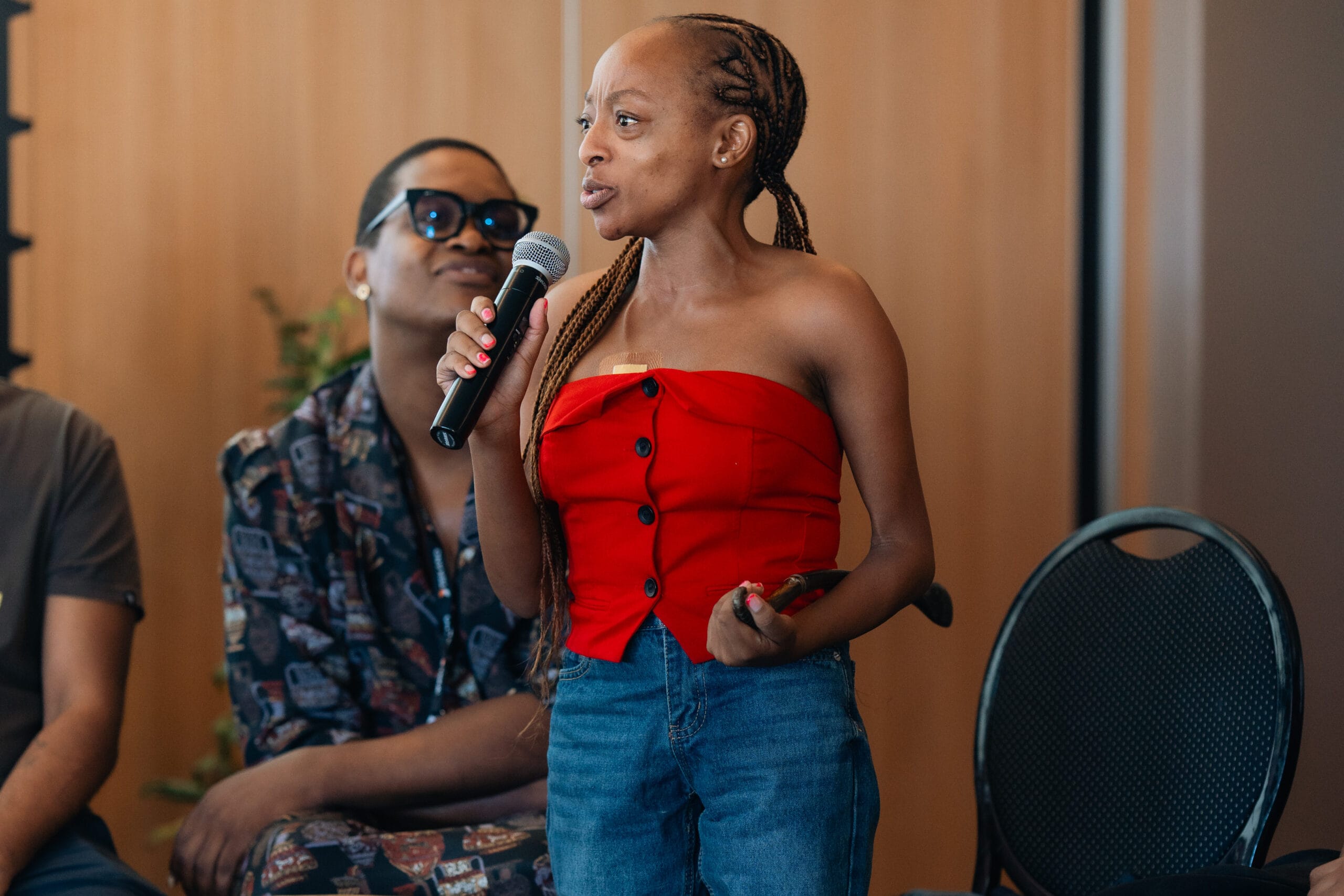
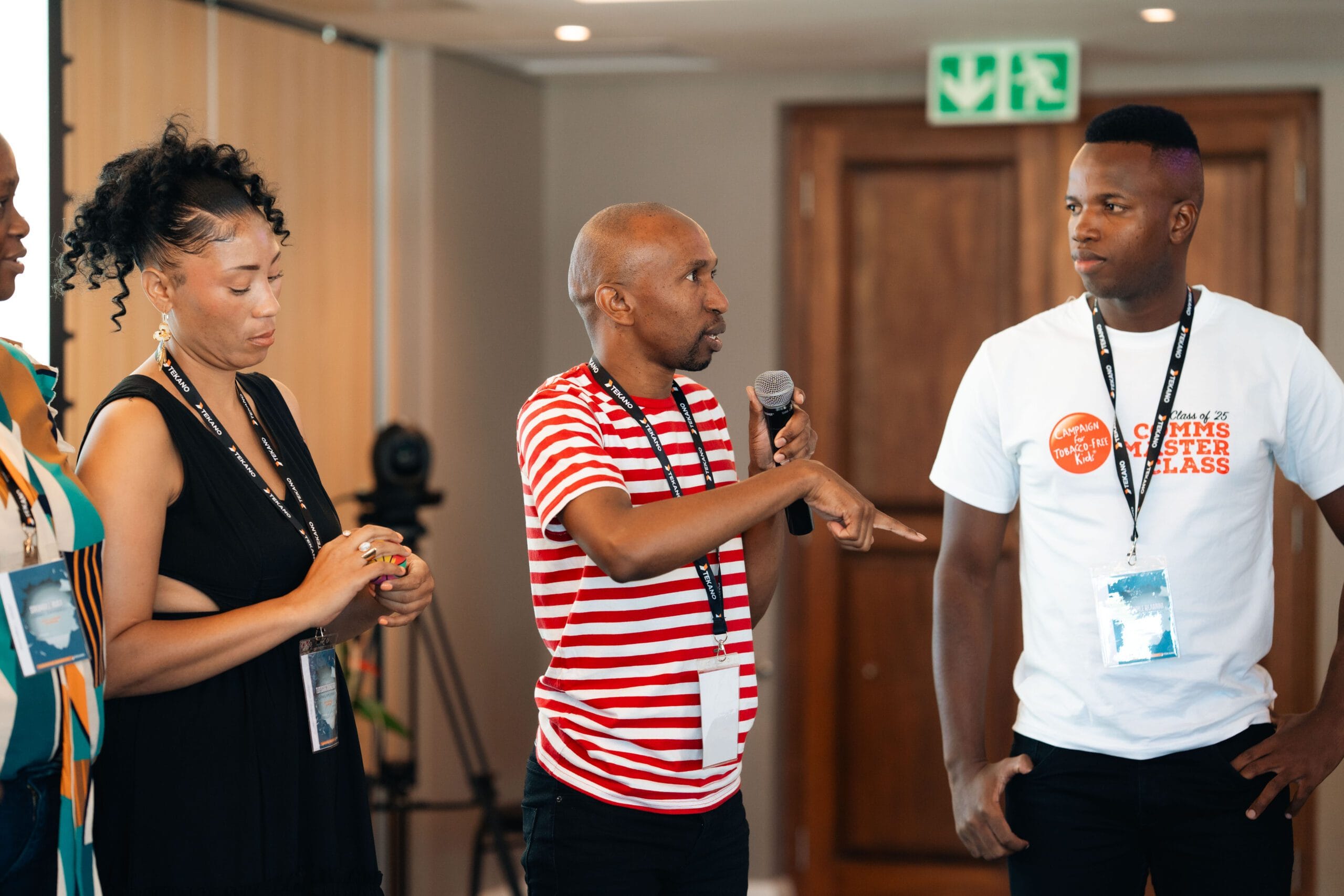
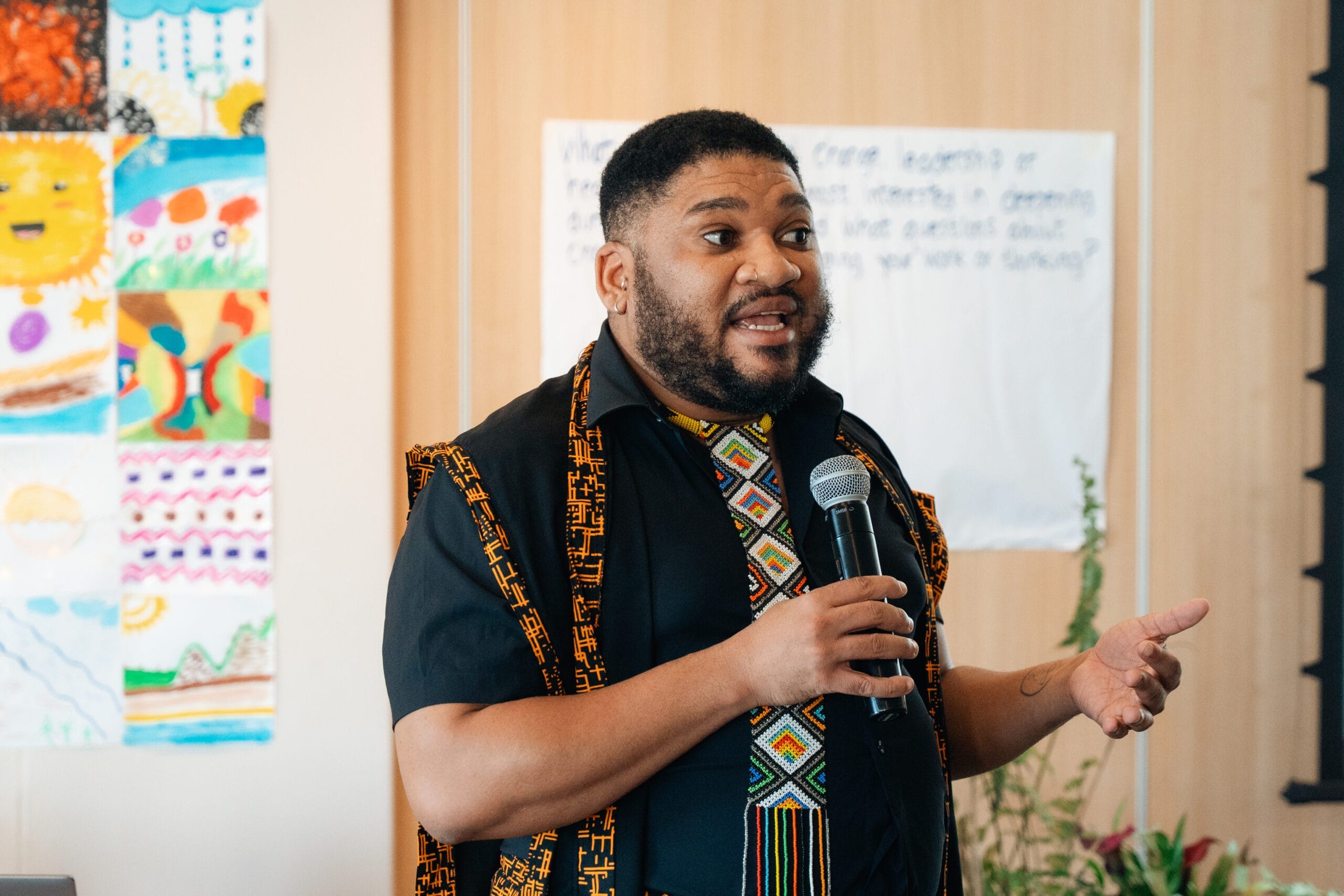
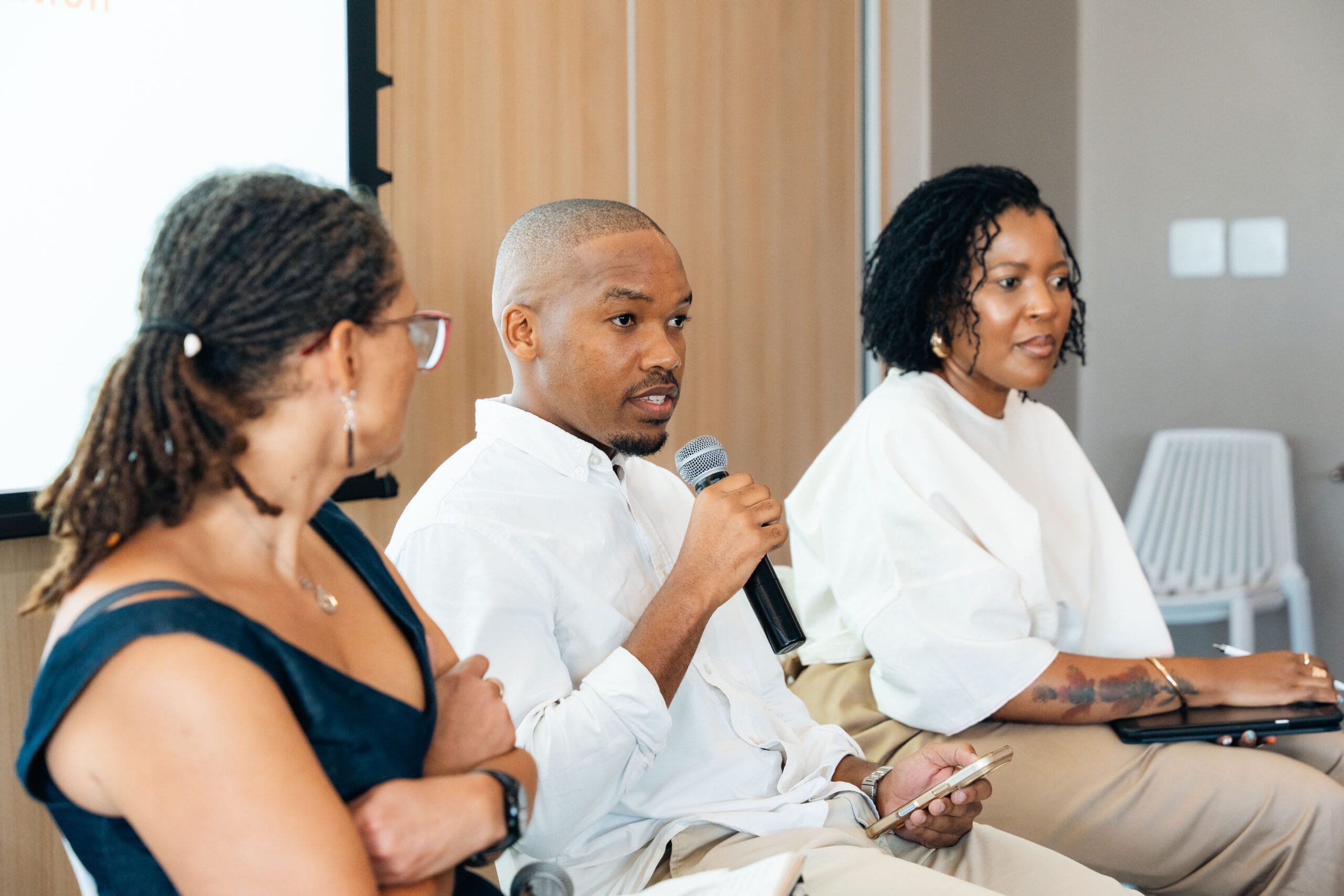
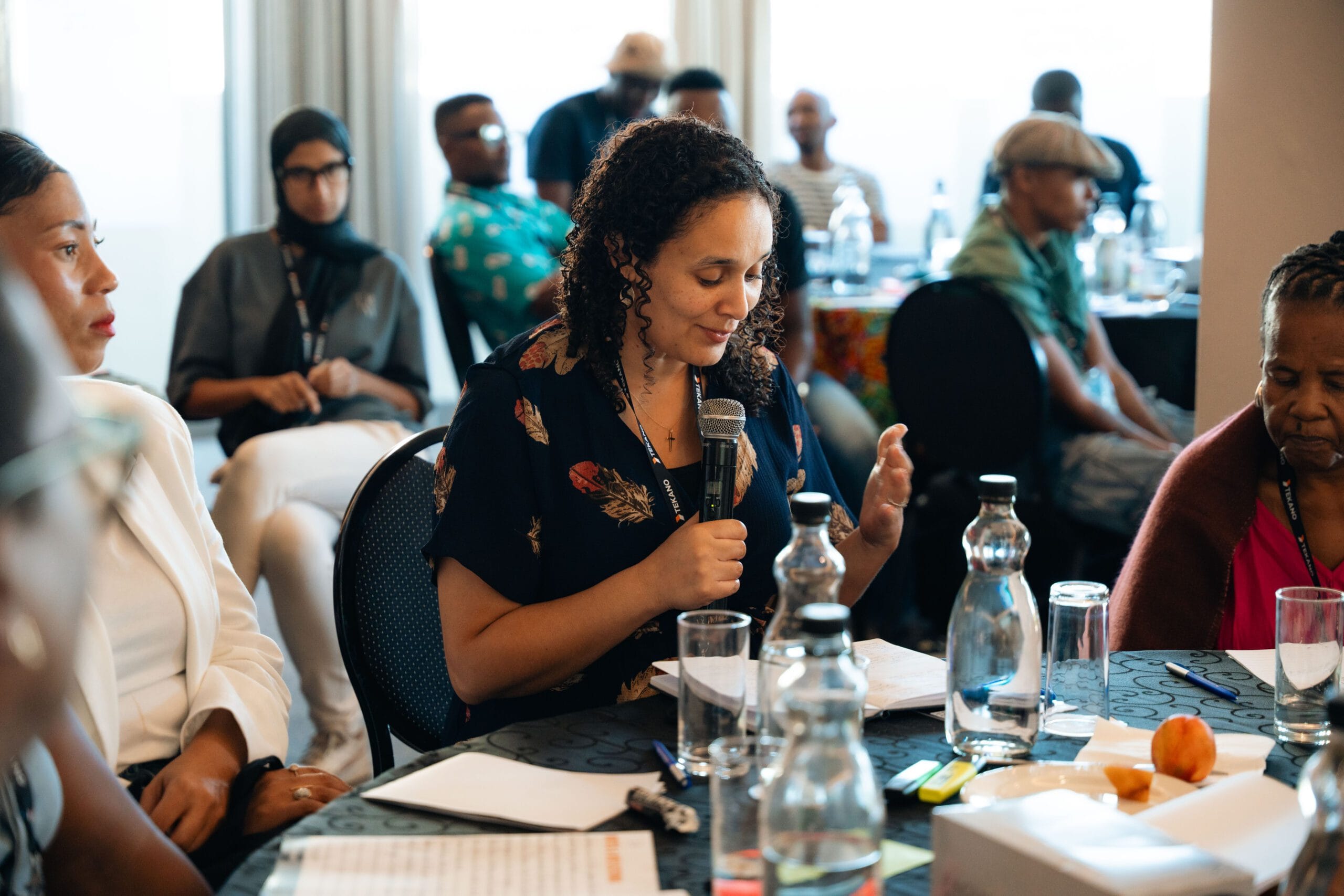
In a session titled “Building a Feminist Space: Feminist Leadership,” fellows reflected, challenged, and learned to navigate systems of inequality through bold and necessary conversations. Our fellow, Rosie Motene, a feminist writer and activist, emphasised the importance of centering intersectionality.
“It’s very important to understand the concept of intersectionality and that in order for things to change, it needs to happen through that intersectional lens. You cannot have a conversation without bringing the LGBTQI community in, without bringing marginalised groups, community-based organizations, and expanding into food security, sexual and reproductive health rights, gender-based violence, land rights, and equity across the board,” said Rosie.
Also Read: How Change Happens
Another fellow, Pontsho Pilane, who advocates for gender justice, health systems strengthening, and sexual & reproductive health rights, described the experience as transformative.
“This has been an incredible week, and it is just so hard to even find the right words to express how immersive, groundbreaking, and life-changing this week was. I came expecting a lot, and I’m leaving with more than I even expected. It’s a testament to the work that Tekano does and a reminder that to do the social impact work in our communities, our vessels need to be full,” says Pontsho.
The week concluded with a visit to the first black-owned wine farm in Franschhoek, where fellows reflected on the symbolism of South African identity today, connecting history, culture, and the ongoing struggle for equity and inclusion.
Recent Comments