
Studies reveal that 20% of households face severe food insecurity in the Eastern Cape. Some small-scale farmers are taking the lead in addressing this challenge. In the fields of the Eastern Cape, a quiet transformation is taking root, one led not by large-scale commercial farmers, but by small-scale farmers reclaiming their agency, knowledge, and connection to the land. This shift was evident at the Agroecology Awareness & Exhibition Day, hosted by Phawu AgriPak and founded by Bakhusele Mathupha, an advocate for sustainable farming and rural development.
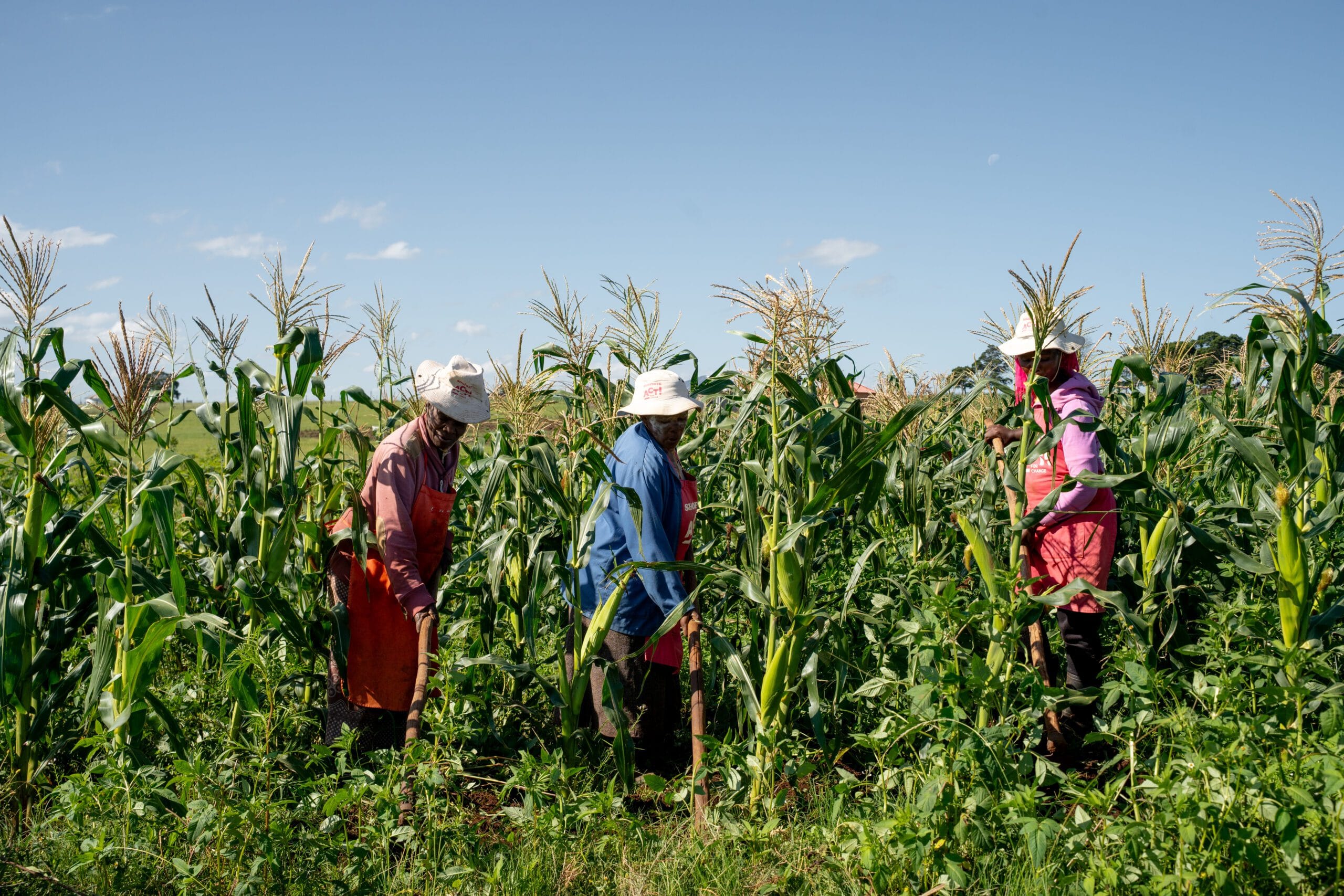
The event took place on 26 February 2026 in Busila Village, Willowvale, bringing together farmers, researchers, and community members. The day showcased how farmers are learning, sharing, and applying practical methods that align with their everyday realities. More than just an event, it reflected a growing movement grounded in dignity, resilience, and collective action.
“While I was a teacher, I noticed that the children came to school because of the feeding scheme, and after they had eaten, they were no longer interested in learning. So, in 2024, I resigned from my teaching profession so that I could be part of the community to help them improve agriculture,” says Mathupha.
Also Read: Food Sovereignty Indaba
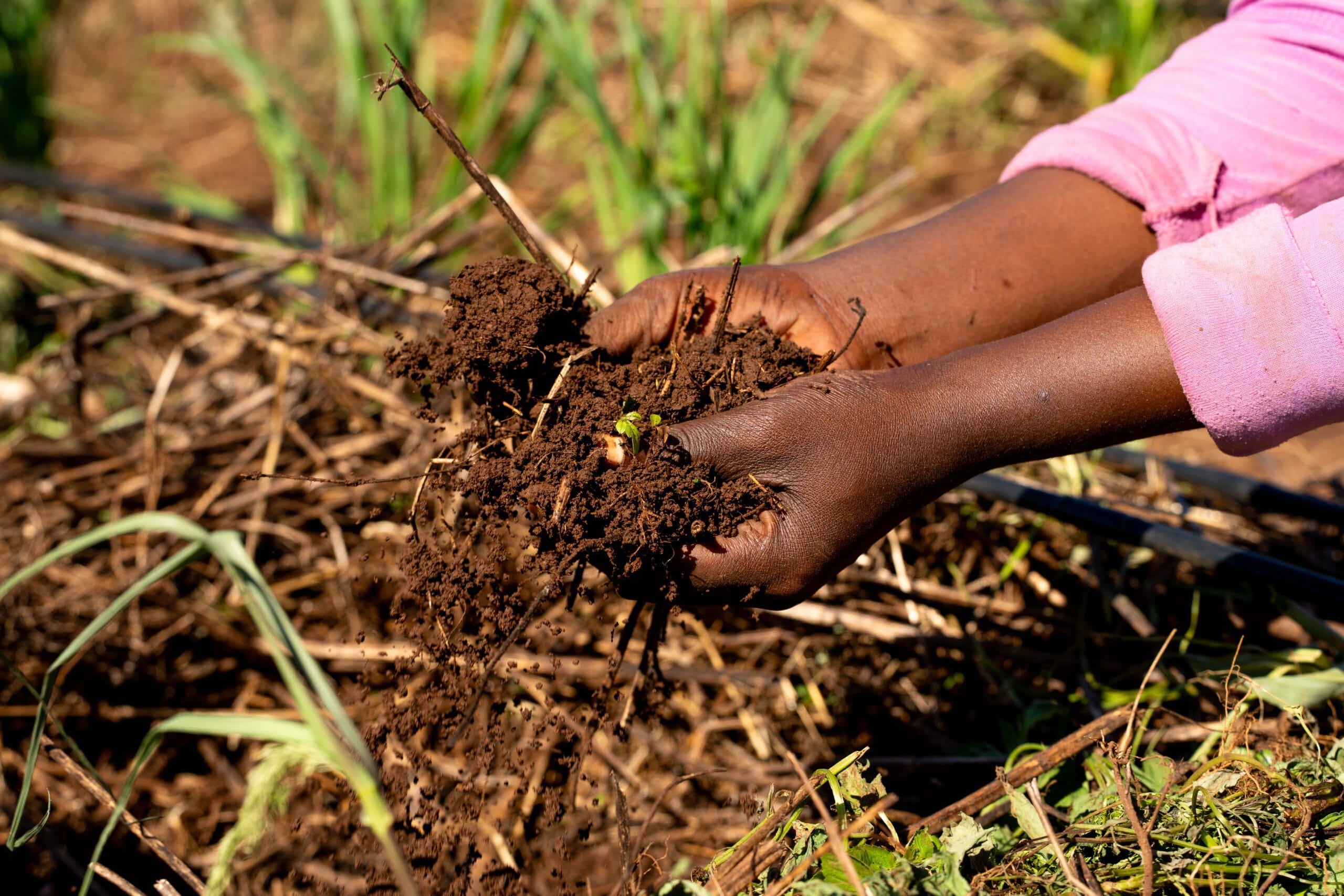
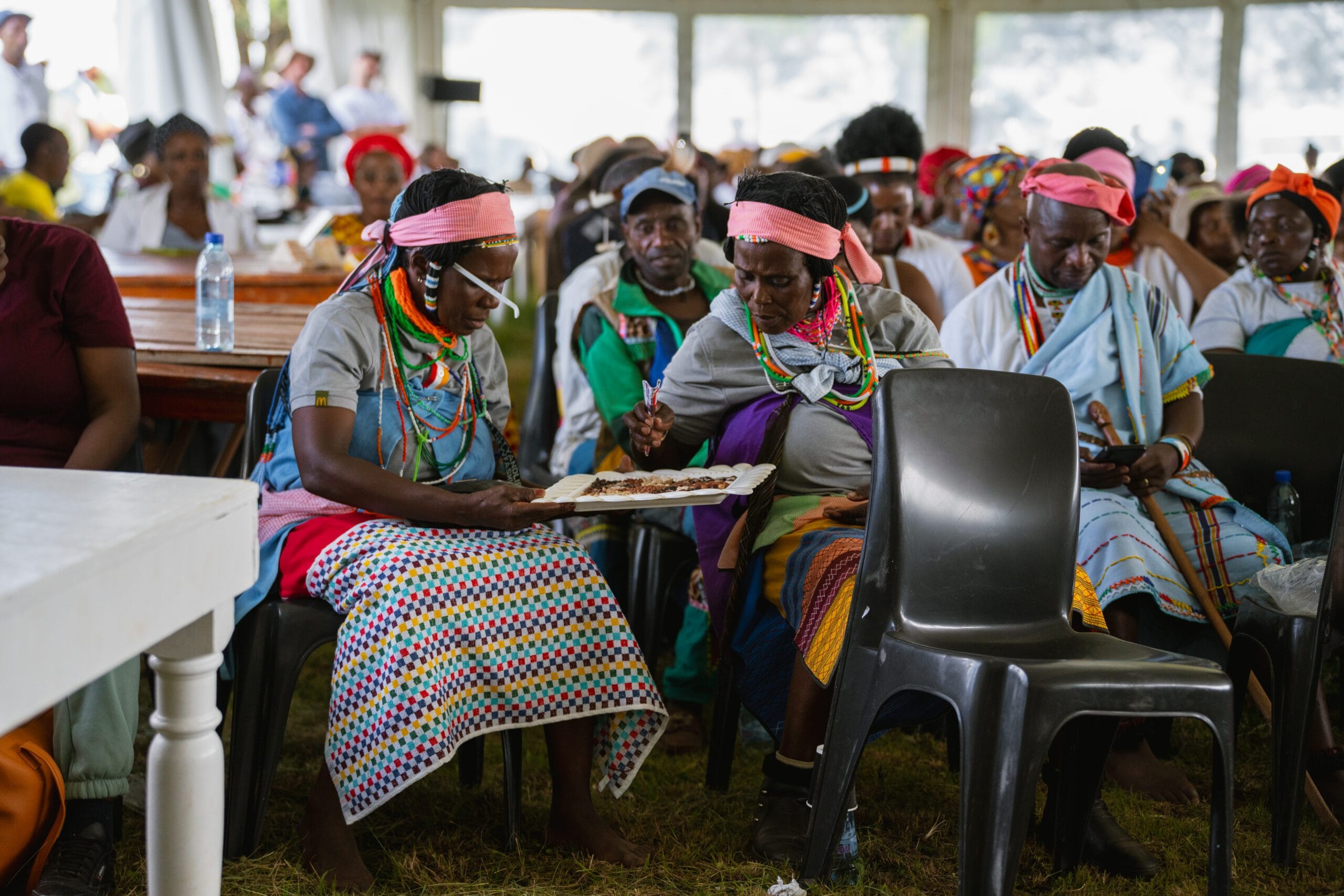
Together with the farmers, participants engaged in hands-on demonstrations using low-cost techniques to improve soil health, conserve water, and increase food production. Rather than relying on expensive inputs, they are working with nature to build stronger, more sustainable systems.
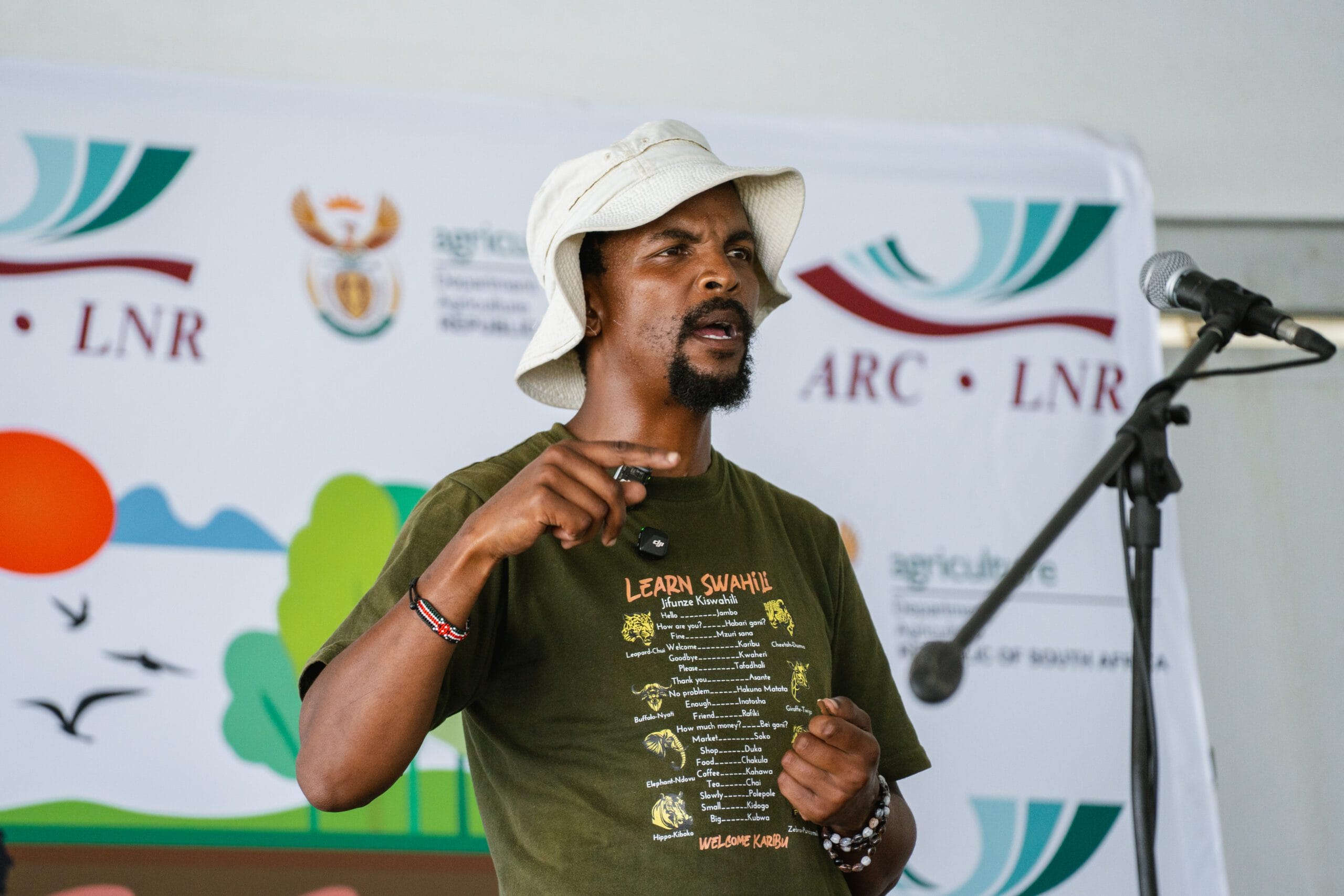
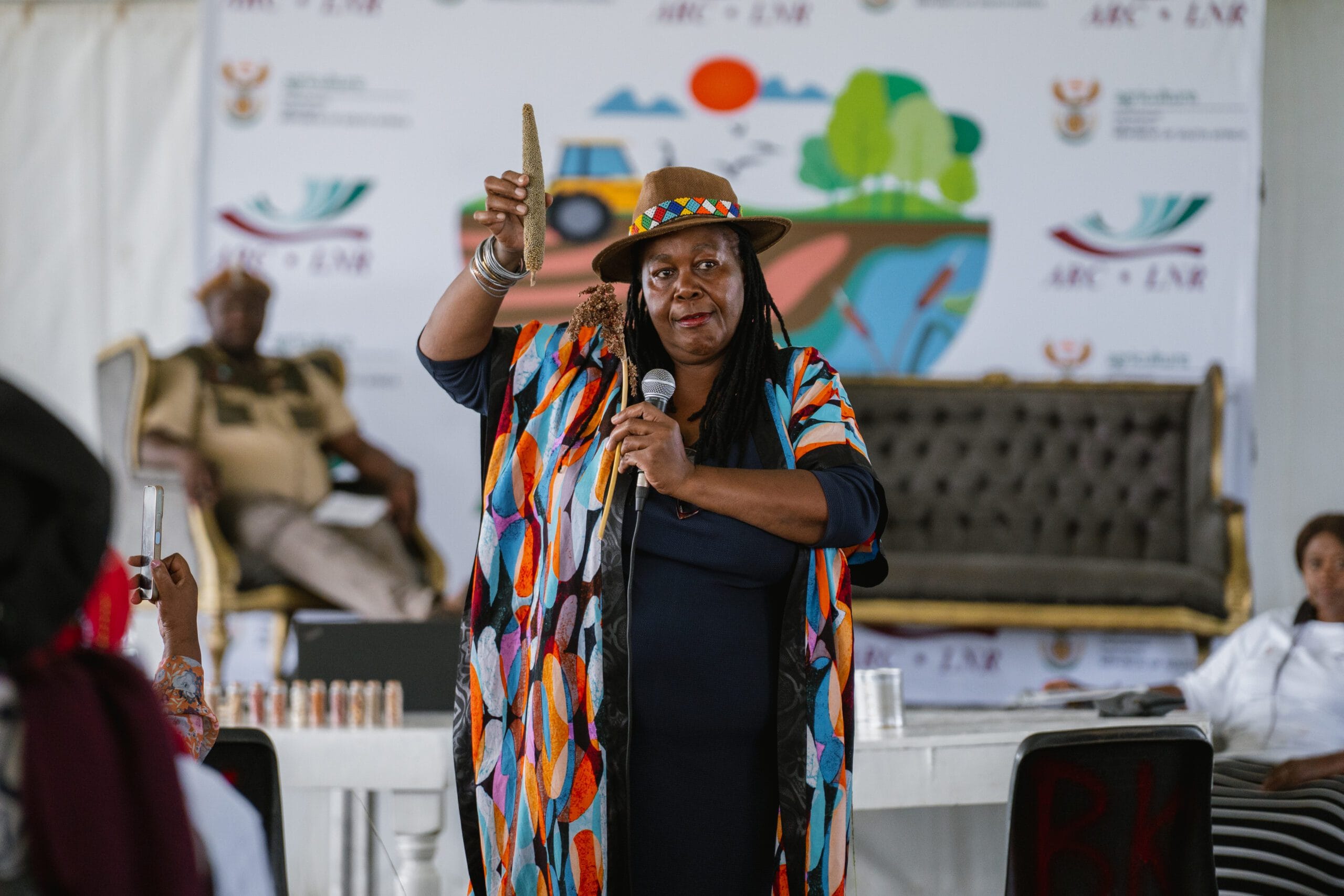
“If you think about agroecology, it's bringing together all aspects of the farming system and the broader food system,” explains Prof Sue Walker, Principal Researcher at the Agricultural Research Council (ARC). “It includes everything from breeding and inputs like compost and manure to the connection with the consumer. It’s not just farming; there are elements of social justice, community involvement, and giving back. That’s what we are campaigning for and why we want to create a living lab. That’s why we had our Farmers Day here.”
The event brought together key partners, including the ARC, government extension services, NGOs, researchers, small-scale farmers, and community members. These collaborations play an important role in connecting farmers to knowledge, resources, and ongoing support.
Also Read: Embracing Vietnam’s Sustainable Farming Practices
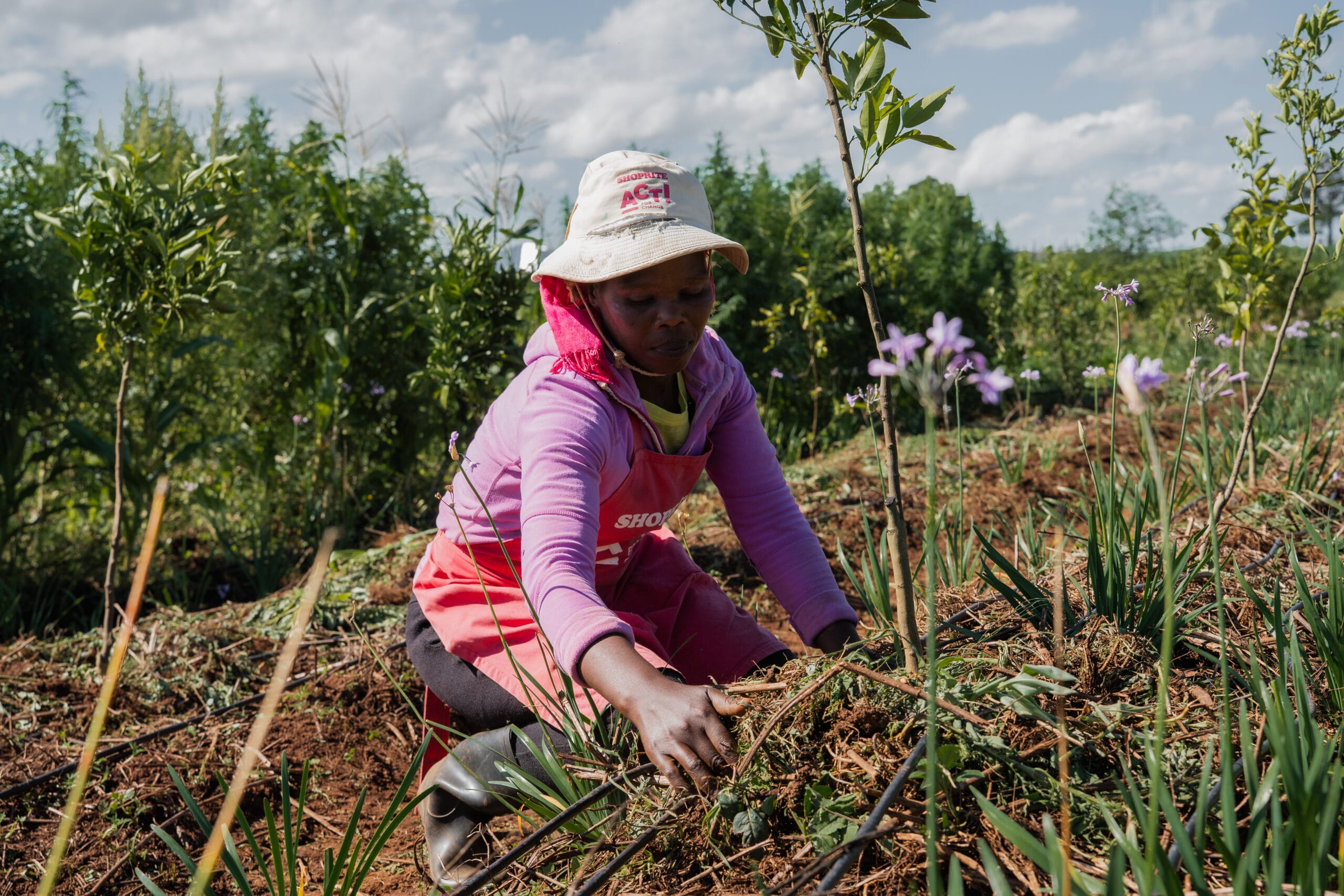
“I joined Phawu in 2019. Many left because there was no income at first, mostly young people looking for quick cash,” says Donia Fudumele, a farmer at Phawu AgriPak. “I stayed because I knew this was a long-term investment. Now, we sell seedlings and vegetables. I’ve learned to make compost, save water, and protect the garden. I even use these skills at home to feed my family and earn extra income.”
Recent Comments